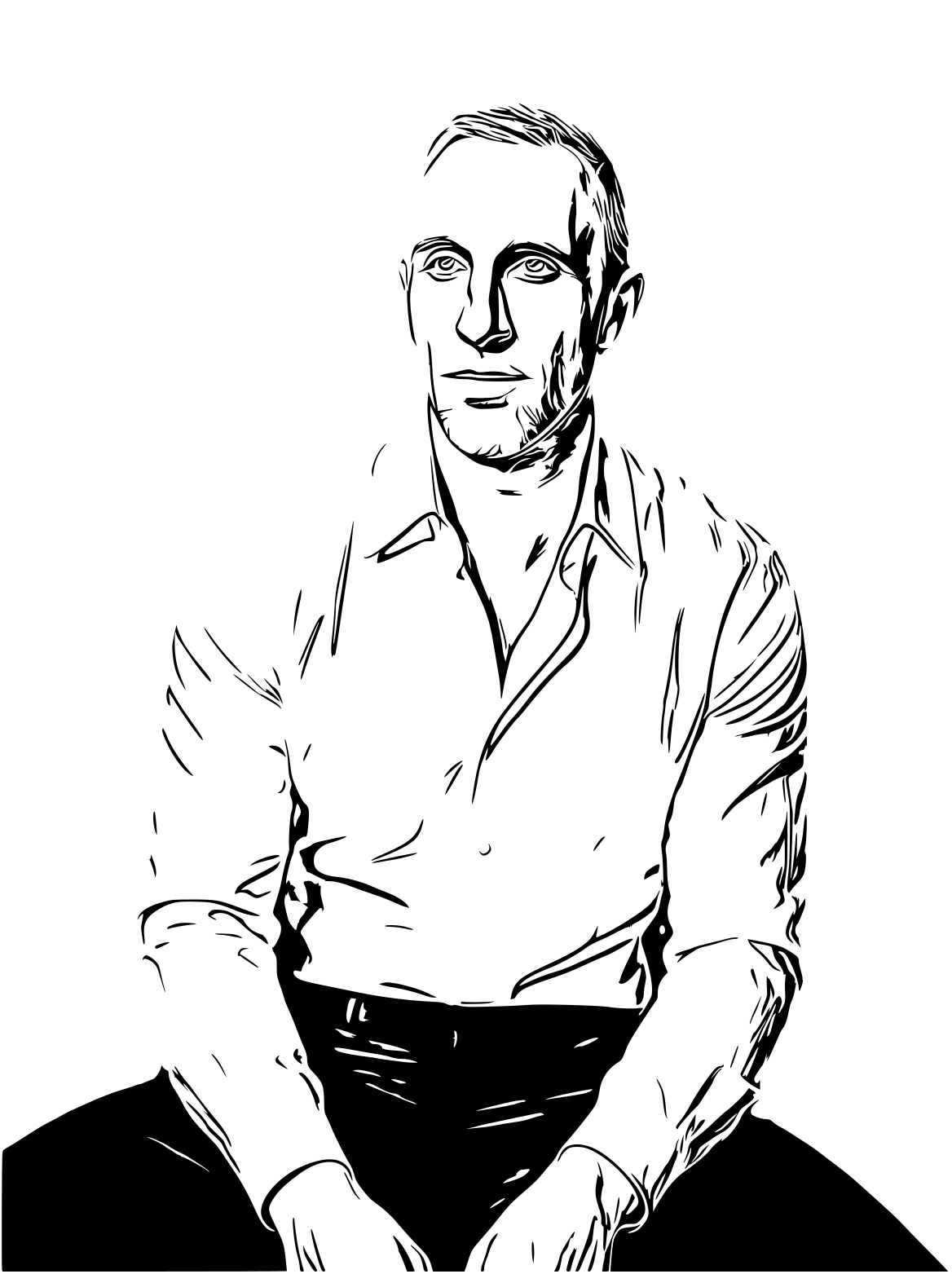
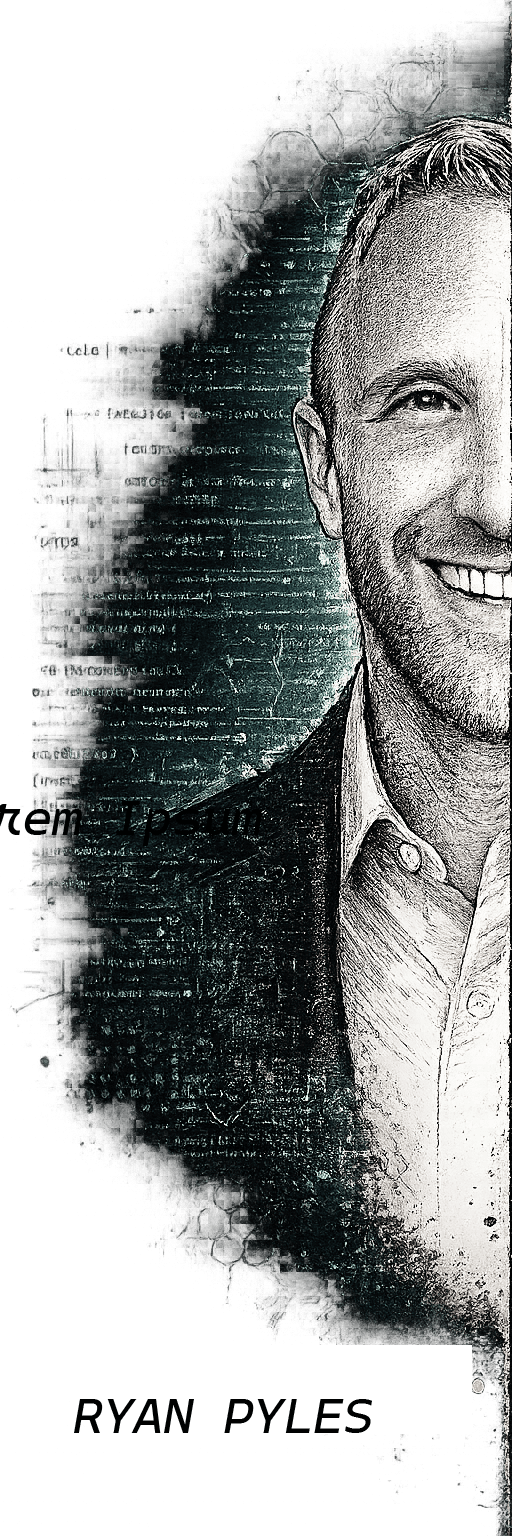
A Case Study
in Identity
builds
systems.
Engineer · Architect · Chicago
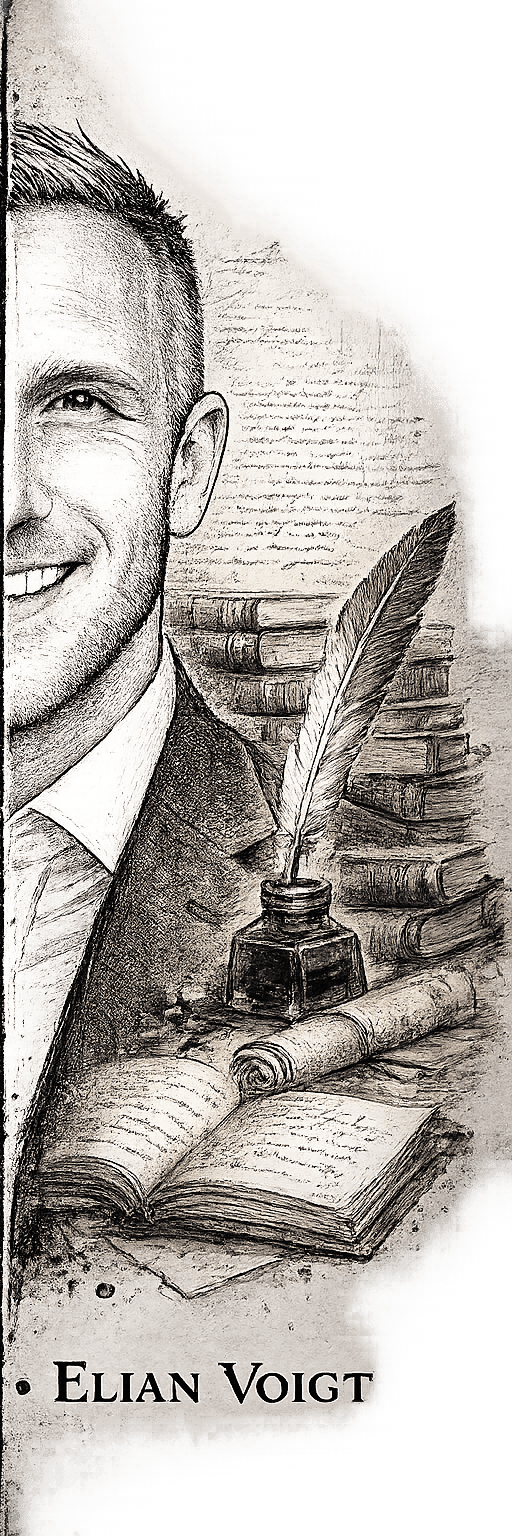
tests
them.
Literary Fiction · Six Novels
A Case Study in Identity
One maker, two voices. Ryan Pyles builds systems; Elian Voigt tests them. Five dimensions where the engineer and the author diverge.
01Naming
const identity = {
  name: "ryan.pyles",
  role: "maker",
  city: "chicago",
  status: "active",
};A constructed identity. A literary voice. No fixed address.
02Voice
fn approach(
  problem: Problem
) -> Outcome {
  problem
    .decompose()
    .map(resolve)
    .collect()
}Structure first. Meaning emergent. The text never explains itself.
03Typography
/* systems infrastructure */
font-family: "IBM Plex Mono";
font-weight: 400;
letter-spacing: 0.08em;
rendering: gridded;
Designed to slow the eye. Warmth through historical weight.
04Constraint
// only what the structure requires
function build(input) {
  return input
    .strip(redundant)
    .verify()
    .ship();
}Not a limit. The source of strangeness — what remains when everything else is removed.
05The risk
if (engineer === author) {
  // the distinction
  // collapses here
  boundary.dissolve();
}When the author sounds like the engineer, the strangeness disappears.
The Voigt Project
One maker. Two public identities. One ongoing experiment.
For years I found myself writing two kinds of work that demanded opposite instincts. Software rewards precision, reduction, and explicit reasoning. Literary fiction often rewards omission, ambiguity, and structures that reveal themselves only after the reader has lived inside them for a while.
Instead of forcing those instincts into a single public voice, I separated them.
The division isn’t marketing. It’s methodology. Each identity protects the other from becoming predictable.
Why separate them?
Because audiences read names before they read ideas. Someone hiring a software architect expects different evidence than someone choosing a literary novel. Separating the identities allows each body of work to be judged on its own terms while remaining part of the same investigation: how language, structure, and formal constraints change human behavior.
The work is different. The questions are the same.
One line, followed
- 2008Software engineering
- 2016Editorial systems
- 2024First novels
- 2025FORMÆTRIX established
- 2026Elian Voigt created
- TodayOne research program · three public expressions
What crosses the boundary?
Software taught me that every complex system eventually exposes its assumptions. Fiction taught me that people do the same. The continuity tools I build began as problems inside novels. My typography comes from publishing. My publishing systems come from engineering. Language study informs all of it.
The boundaries are practical. The research is shared.
The experiment continues
The goal has never been to keep Ryan Pyles and Elian Voigt permanently separate. The goal is to discover what each can learn from the other without collapsing into the same voice.
Every novel changes the software. Every software project changes the writing. The separation exists because the exchange matters.